

Introduction
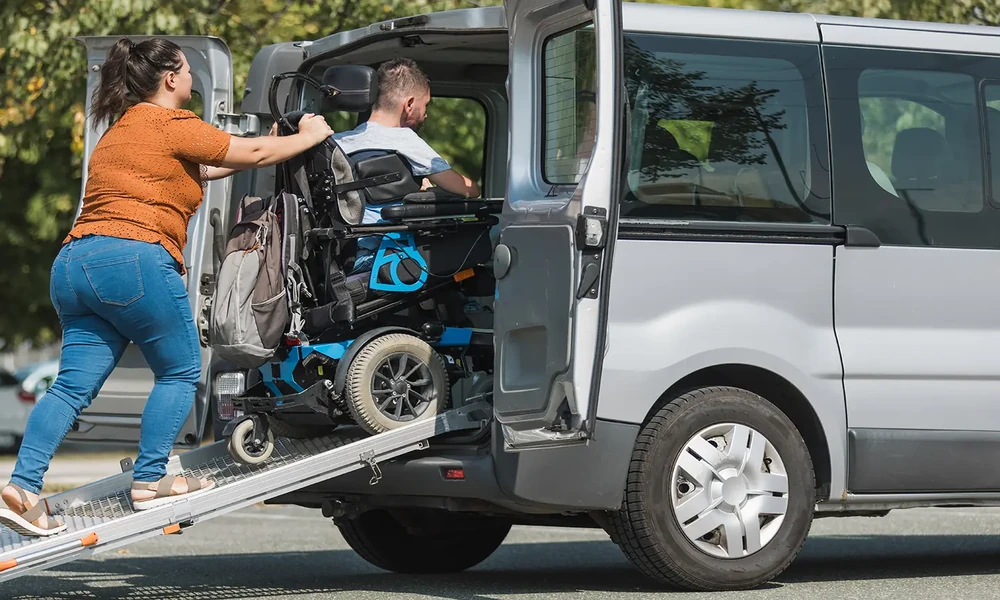
Healthcare mobile units provide a practical solution for delivering medical services directly to communities that have limited access to hospitals and clinics. These purpose-built units enable healthcare professionals to deliver medical services in rural areas, schools, workplaces, disaster-affected locations, and community events. They improve healthcare accessibility while making medical services more convenient for patients. Careful planning, efficient engineering, and proper maintenance help these units provide reliable healthcare services. Following practical tips can improve the performance of healthcare mobile units and support stronger community care.
To build and manage these versatile vehicles effectively, organizations often rely on a comprehensive Mobile Units Engineering Smarter Community Guide that covers everything from structural customization to specialized clinical layout integration. By blending modern engineering principles with real-world operational needs, such a framework ensures that mobile clinics remain durable, functional, and equipped to adapt to diverse environments. Investing in thoughtful engineering upfront not only maximizes operational uptime, but also lays a strong foundation for optimizing daily care delivery in the field.
Design the Interior for Efficient Care
The interior of a healthcare mobile unit should be designed to support smooth daily operations. Examination areas, medical equipment, and storage spaces should be arranged to allow healthcare professionals to work efficiently. Proper lighting, ventilation, and comfortable patient areas improve both healthcare delivery and the overall patient experience. A practical layout helps reduce delays and supports better service quality.
Keep Equipment Well Organized
Medical equipment and supplies should always be stored in an organized manner. Clearly labeled storage areas allow healthcare teams to quickly locate tools, medications, and essential supplies during patient care. Regular inventory checks help ensure all necessary resources are available before each visit. Good organization improves efficiency and reduces interruptions during healthcare services.
Maintain Safety and Cleanliness
Safety and hygiene should remain a priority in every healthcare mobile unit. Regular cleaning, equipment sanitization, and proper waste disposal help create a safe environment for both patients and healthcare professionals. Routine inspections of electrical systems, medical equipment, and vehicle components also help prevent unexpected problems. Maintaining high safety standards supports reliable healthcare delivery.
Plan Services Based on Community Needs
Healthcare services become more effective when they are planned around the needs of the community. Healthcare providers should identify common health concerns and schedule appropriate services such as routine checkups, preventive care, health screenings, and health education. Regular outreach visits encourage people to seek medical attention early and improve overall community health.
Train Healthcare Teams Continuously
Healthcare professionals working in mobile units should receive regular training to improve their medical knowledge, communication skills, and emergency response abilities. Ongoing training helps staff use equipment correctly, provide better patient care, and adapt to changing healthcare needs. Well-trained healthcare teams improve service quality and create greater confidence among patients.
Conclusion
Healthcare mobile units are an important part of expanding healthcare access and strengthening community care. Designing efficient workspaces, organizing medical equipment, maintaining safety and cleanliness, planning services around community needs, and continuously training healthcare teams all contribute to successful healthcare outreach. These practical tips help improve service quality, patient satisfaction, and operational efficiency. By focusing on careful planning and continuous improvement, healthcare providers can use mobile units to deliver reliable healthcare services and improve health outcomes for communities in a wide variety of locations.
