

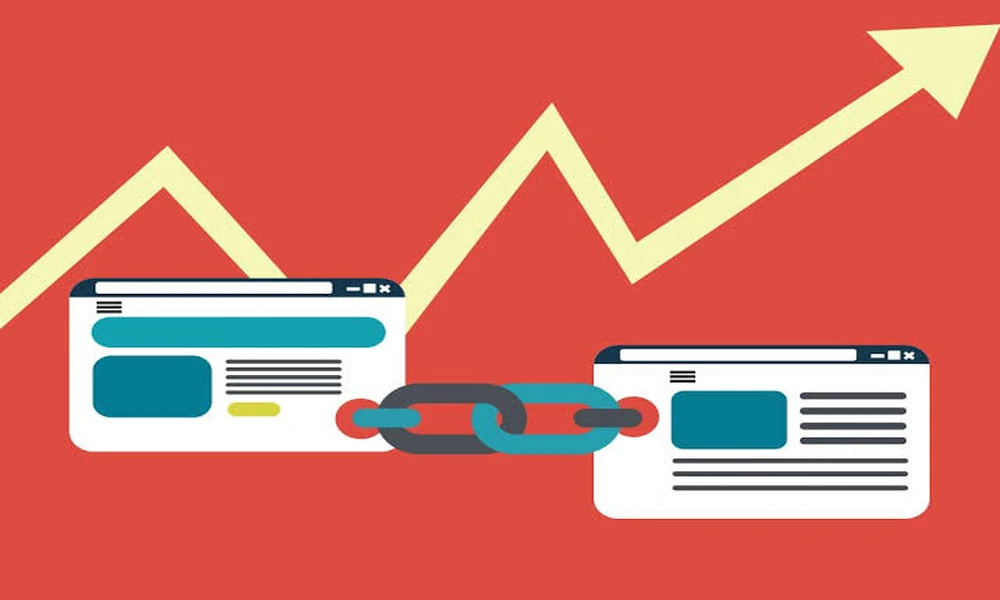
Campaigns that move rankings do something different from those that do not. Every placement decision functions as a quality filter rather than a quantity target. PowerUp Links applies this across every order, verifying each link is live before it appears in any report and ensuring the content surrounding that link is written for the specific niche being targeted. That level of placement discipline separates campaigns that hold through algorithm updates from those that collapse after them. Link velocity plays a larger role than most practitioners realize. A sudden surge of backlinks pointing at a new domain raises flags regardless of how authoritative those links are individually. Campaigns that pace acquisition to mirror organic growth patterns produce ranking movement that sustains rather than spikes and disappears. Domain relevance, anchor variation and controlled velocity form the foundation that real results are built on.
Link types shape outcomes
Not every link type contributes equally. Placing the wrong type in the wrong position within a campaign structure wastes both the domain authority being borrowed and the content built around it.
- Dofollow links from high DA sources pass authority directly and should anchor the core of any campaign.
- One way backlinks carry the full signal without splitting equity through reciprocal arrangements.
- Niche PBN placements work when domain selection follows topical relevance strictly, pairing handwritten content with blogs that cover the same subject matter as the target site.
- Guest posts give practitioners control over anchor text placement within editorial content, producing a cleaner relevance signal than most other link types deliver.
- High DR placements above a domain rating of 25 add measurable weight in competitive verticals where weaker sources contribute little.
Anchor patterns signal relevance
Anchor text is where many campaigns damage themselves. Repeating an exact match phrase across the majority of a backlink profile sends an over-optimisation signal that search engines now identify with considerable accuracy.
- Branded anchors should form a visible portion of every profile, regardless of niche.
- Partial match phrases carry relevance without the concentration risk of exact match anchors.
- Naked URLs add natural variety across profile link placements without contributing over-optimised signals.
- Generic anchors fill distribution gaps and appear editorially acquired rather than constructed.
Campaigns that balance these categories across tier 1 and tier 2 placements produce profiles that search engines read as naturally built rather than artificially assembled.
Indexing activates link value
Placement quality means nothing if the link is never crawled. A backlink sitting on a high authority domain contributes zero ranking value until a search engine crawler discovers, processes and indexes that page. Many campaigns place strong links and then wait on organic crawl discovery, which can take weeks or produce no result at all on lower traffic domains. Submitting links to an indexing service immediately after placement closes that gap. For campaigns using tier 2 structures, indexing at both levels ensures authority flows through the full chain rather than stopping at an uncrawled intermediary page. White label Excel reports that include live URL verification alongside anchor and MOZ data give agency resellers and practitioners confirmation that placed links are active and accessible to crawlers before reporting is considered complete.
Results in SEO link building come from connecting placement quality, link type discipline, anchor balance and indexing into a single workflow. Campaigns managed as a system rather than a checklist produce rankings that hold rather than rankings that need constant rebuilding.
