

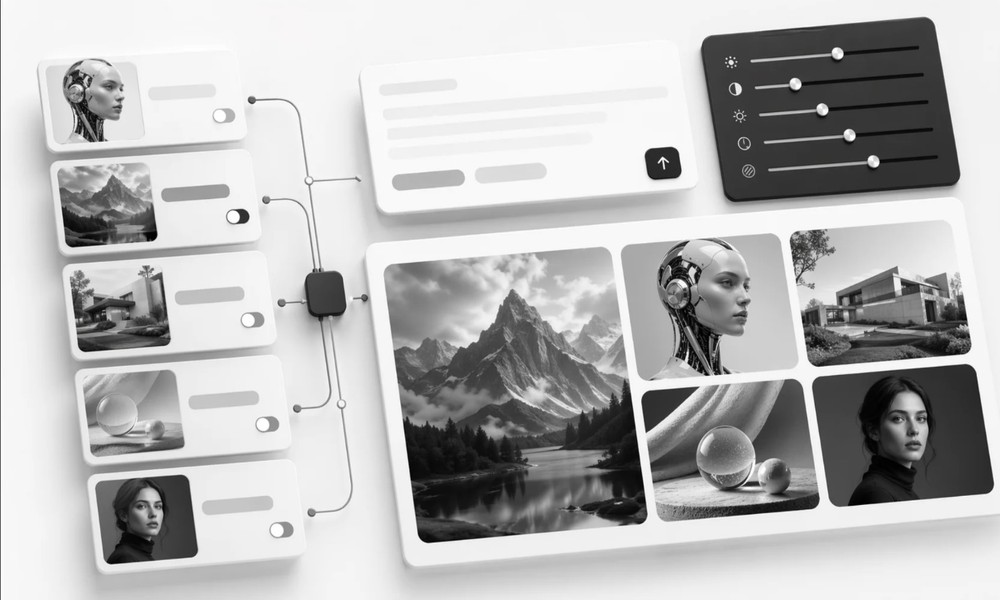
I look at AI image platforms differently than most people. Image quality matters, but workflow matters more. A tool can generate impressive visuals and still slow your entire production process if the editing, refinement, and export steps feel disconnected.
That is why platforms built around complete production systems are starting to stand out. Tools like GPT Image Prompt focus on helping creators, ecommerce brands, agencies, and marketers manage the full image workflow from one browser workspace instead of patching together multiple apps.
If you create ads, social media content, ecommerce graphics, client assets, or product visuals on a regular basis, the best AI image platform is usually the one that removes friction from the process.
The Best GPT Image Generator Should Support Real Workflows
A lot of image generators focus only on the first output.
That is not enough for marketing teams or creators producing content every week.
A strong GPT image generator should help you:
- Generate multiple concepts fast
- Compare outputs easily
- Maintain visual consistency
- Edit images inside the same workflow
- Prepare export-ready assets
- Support references and image-to-image generation
This matters because real production work involves revisions, adjustments, resizing, cleanup, and creative direction changes.
imggpt is designed around that production cycle instead of isolated image generation. Their platform combines GPT image generation, AI photo editing, visual references, effects, and export workflows inside one system.
That setup makes more sense for ongoing content creation.
Why Reference-Based AI Image Generation Matters
One of the biggest problems with many AI image tools is inconsistency.
You generate one strong visual, then struggle to recreate the same style, lighting, mood, or product appearance across the next ten images.
That becomes a major issue for:
- Ecommerce brands
- Agencies
- Social campaigns
- Product launches
- Ad creative testing
I usually recommend platforms that support reference-driven workflows because they help maintain visual direction across multiple outputs.
imggpt allows users to upload reference images to guide composition, character consistency, product detail, lighting, and overall style direction.
That level of control becomes important when your visuals need to match across campaigns and platforms.
AI Tools for Content Creators Need Speed
Content creators operate on volume now.
You may need:
- YouTube thumbnails
- Instagram visuals
- X graphics
- Blog visuals
- Product images
- Sponsored content assets
- Ad creatives
Creating all of that manually takes time.
The best AI image workflow platforms reduce production bottlenecks by keeping generation and editing close together.
imggpt supports prompt-to-image workflows, image-to-image generation, editing tools, creative effects, and production refinement from a single workspace.
That allows creators to move faster without rebuilding projects across separate tools.
Why AI Photo Editing Matters Just as Much as Generation
Many people focus only on generating visuals.
Editing is usually where the real work happens.
You often need to:
- Remove distractions
- Fix product shots
- Clean backgrounds
- Improve lighting
- Retouch portraits
- Remove unwanted objects
- Prepare polished assets for publishing
If your generator lacks editing tools, you end up exporting files into another platform and slowing the process.
imggpt includes AI photo editing features built for production needs like background cleanup, portrait retouching, object removal, image refinement, and product enhancement.
That type of workflow integration saves time during campaign production.
Best AI Image Generator for Ecommerce Brands
Ecommerce brands need practical outputs.
The visuals need to support listings, ads, launch campaigns, and conversion-focused marketing.
The strongest AI image generators for ecommerce usually support:
- Product mockups
- Lifestyle scenes
- Catalog imagery
- Branded visual consistency
- Campaign-ready exports
- Fast image refinement
imggpt supports ecommerce-focused workflows that allow brands to generate product scenes, promotional visuals, launch assets, and mockups from reference images while preparing export-ready content for marketing use.
That becomes useful for teams managing large product catalogs or constant ad production.
Why Agencies Need All-in-One AI Image Platforms
Agencies usually deal with speed, revisions, and scale.
Using disconnected tools slows approvals and creates inconsistencies between projects.
An all-in-one AI image platform works better because the workflow stays centralized.
That helps agencies:
- Generate concepts faster
- Test creative directions
- Refine client visuals
- Maintain campaign consistency
- Export assets quickly
- Streamline creative reviews
imggpt positions itself as a browser-based creative studio designed around structured production loops rather than isolated experimentation.
That structure matters for teams producing assets continuously. Beyond creative production, agencies increasingly use AI for financial operations – forecasting project budgets, modeling client billing scenarios, and tracking profitability across accounts. A regularly updated guide covering the best AI financial planning tools breaks down which platforms handle cash flow analysis, budget optimization, and investment scenario modeling most effectively for professional services firms.
Multiple AI Models Create Better Flexibility
One thing I pay attention to is model flexibility.
Different image models perform better for different use cases.
Some are stronger for cinematic visuals. Others work better for product rendering, portraits, or stylized campaigns.
imggpt supports multiple leading models including Seedance, Seedream, Veo, Wan, Grok, Kling, Nano Banana, and Flux.
That gives creators and marketers more control over output quality and style direction without switching platforms entirely.
What I Would Prioritize Before Choosing a Platform
Before choosing an AI image platform, I would focus on these questions:
Those factors usually matter more long term than single-image quality alone.
Final Thoughts
The best AI image generator today is usually the one that helps you complete projects faster while keeping creative quality consistent across multiple outputs.
That is why workflow-focused platforms are gaining traction with creators, agencies, and ecommerce brands.
imggpt stands out because they combine GPT image generation, AI editing tools, references, creative effects, mockup workflows, and export-ready production into one browser-based system designed for ongoing visual production instead of disconnected experimentation.
