

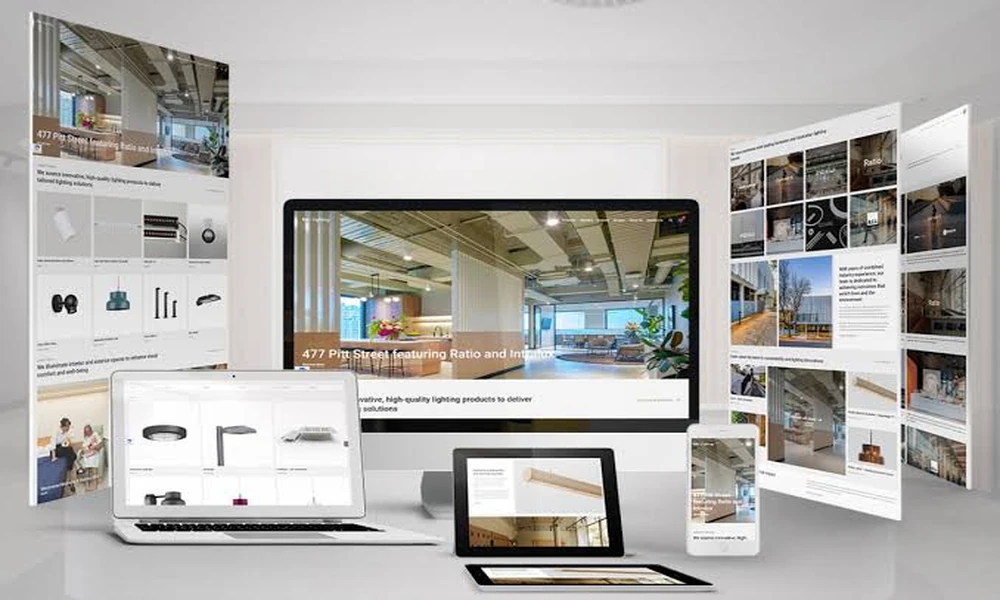
A website needs more than an attractive first launch. Reliable performance depends on careful design choices that support hosting, updates, security, and routine maintenance, anchorage web design can account for these needs from the beginning, creating a stronger connection between visual structure and technical upkeep. This approach helps owners manage content changes, monitor performance, and address technical issues without rebuilding core website elements.
Design Choices Support Hosting Stability
Clean page structures make hosting management simpler. Lightweight layouts can reduce unnecessary server demands. Properly organized files also help maintenance teams locate essential resources faster. A well-planned build gives hosting services a stable foundation for backups, updates, monitoring, and performance checks.
What Keeps Updates Easier?
Maintenance becomes smoother when website components follow consistent patterns. Content sections, navigation elements, and media files can receive clear organization during development. This structure helps technical teams make targeted changes without disturbing unrelated pages.
- Developers can isolate individual website components.
- Content managers can update sections efficiently.
- Backup processes can cover organized files.
- Testing becomes easier after technical changes.
Hosting Needs Influence Website Architecture
Hosting requirements can shape development decisions before launch. Server resources, database needs, traffic levels, and storage demands all affect website architecture. Anchorage designers can consider these factors while building page structures, helping future hosting adjustments remain manageable.
Can Maintenance Stay More Efficient?
A maintenance-ready website supports routine checks without excessive technical work. Clear code organization helps specialists identify outdated components quickly. Scheduled backups protect important content. Security checks can also focus attention on specific areas requiring updates. For check more details here, technical planning remains an important consideration before launch.
Performance Checks Protect Daily Function
Fast loading depends on more than visual design. Image sizing, script use, caching, and page structure influence everyday performance. Regular monitoring can identify slow resources before visitors encounter larger issues. Maintenance teams can then adjust individual elements while preserving established page layouts.
Stronger Planning Supports Future Changes
A website built for long-term care can accommodate new pages, revised content, and technical upgrades. Early planning reduces unnecessary rebuilding when requirements change. Hosting and maintenance therefore become connected parts of website ownership, rather than separate technical tasks. The result is a website where routine updates can happen without disrupting essential functions.
FAQs
What does maintenance-ready design mean?
It means website structures support updates, monitoring, backups, security checks, and technical adjustments with less disruption.
Why should hosting influence website design?
Hosting needs affect storage, server resources, loading speed, and technical architecture from the beginning.
Can good design support faster maintenance?
Yes. Organized components help specialists locate, test, update, and replace specific website elements efficiently.
What supports long-term website performance?
Regular monitoring, reliable backups, optimized resources, security updates, and organized technical structures support ongoing performance.
Map Link:
