

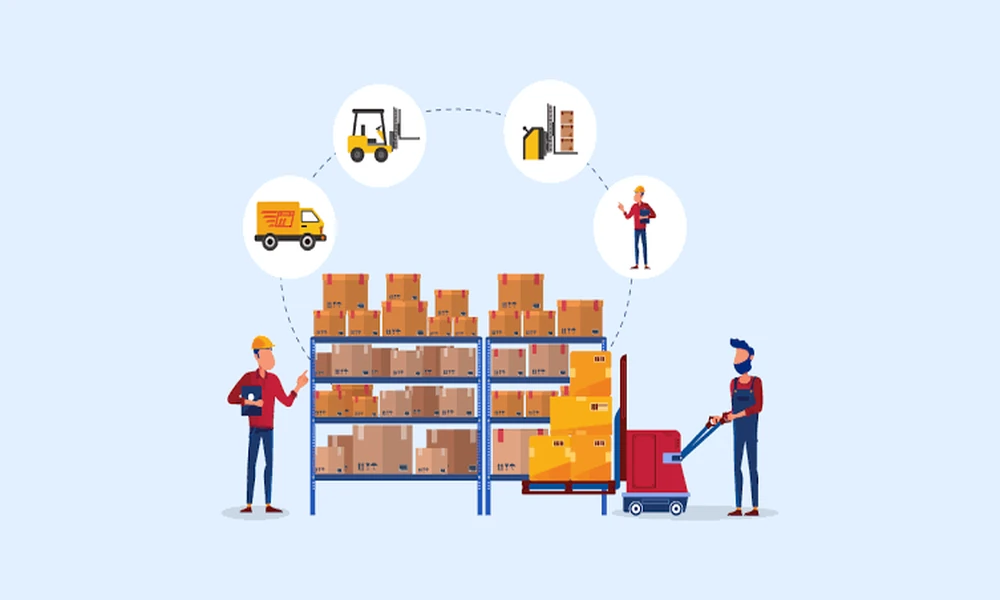
Manufacturing businesses operate under a particularly demanding set of pressures. They must manage complex production processes, coordinate materials and supplier relationships, satisfy increasingly demanding customer expectations, and maintain cost discipline – all simultaneously. The enterprise systems that support these operations have traditionally been large, inflexible, and expensive to run. The emergence of Salesforce as a foundation for manufacturing ERP is changing that equation.
Building manufacturing ERP capabilities on the Salesforce platform brings together the operational depth that production environments require with the commercial intelligence that sales and customer-facing teams need. The result is a connected view of the business that traditional manufacturing systems rarely deliver.
Why Manufacturing ERP Has Always Been a Compromise
Conventional manufacturing ERP systems were designed primarily around production and supply chain management. They excel at tracking materials, managing work orders, scheduling production runs, and monitoring shop floor activity. What they typically do poorly is connect that production data to customer relationships, sales pipelines, and the commercial decision-making that happens before and after the manufacturing process.
The consequence is a persistent gap between what the commercial side of the business knows about customer demand and what the production side knows about capacity and capability. Sales teams commit to deliveries without visibility into production schedules. Production planners make capacity decisions without access to the sales pipeline that would tell them what demand is coming. Both sides work from incomplete information, and the business absorbs the cost of the resulting misalignments.
Salesforce as the Foundation for Manufacturing ERP
A Salesforce manufacturing ERP solution built on the Salesforce platform addresses this gap at its root. Because Salesforce already holds customer data, opportunity records, and sales activity, extending the platform to cover production planning, work order management, and shop floor tracking creates genuine connectivity between commercial and operational functions for the first time.
When a sales deal closes in Salesforce, the production implication is immediate. Work orders are generated, materials requirements are calculated, production schedules are updated, and capacity is allocated – all without a manual handover from the sales team to the production team. The business moves from commitment to production initiation in a single automated step.
Production Planning and Scheduling
Effective production planning in a manufacturing environment requires accurate data about current capacity, available materials, existing work orders, and incoming demand. When all of these inputs exist within a single system, the planning process becomes significantly more reliable than when planners must gather data from multiple sources and reconcile discrepancies before they can begin making decisions.
Salesforce-based manufacturing ERP gives production planners a unified view of capacity across work centres, real-time visibility into materials availability, and direct access to the sales pipeline that represents upcoming demand. Scheduling decisions can be made with confidence that the underlying data is current and complete.
Work Order Management and Shop Floor Visibility
Work order management is the operational heartbeat of any manufacturing business. Every production run, every assembly task, every quality check, and every materials issue needs to be captured and tracked to maintain operational control and support accurate costing.
Within a Salesforce manufacturing ERP environment, work orders exist as records that can be linked directly to the customer orders that created them, the materials consumed in their production, the labour hours applied, and the quality results recorded at each inspection point. This level of traceability provides both operational control and the data foundation for accurate job costing and margin analysis.
Supplier and Procurement Management
Manufacturing operations are only as reliable as the supply chains that feed them. Late deliveries, quality failures, and pricing changes from suppliers can disrupt production schedules and affect customer commitments. Managing supplier relationships within the same platform used to manage customer relationships and production operations gives businesses a complete view of the supply side of their operations.
Purchase orders, supplier performance data, materials receipts, and quality inspection results for incoming goods can all be managed within the Salesforce environment, providing procurement teams with the historical data they need to make informed sourcing decisions and giving operations managers early warning when supplier performance is creating supply chain risk.
Customer Visibility Into Order Status
One of the commercial benefits of connecting manufacturing operations to Salesforce is the ability to give customers accurate and timely information about the status of their orders. When production progress is tracked in the same system as customer records and order management, the information needed to answer a customer’s query about delivery status is immediately accessible to anyone in the customer-facing team.
This capability reduces the time customer service teams spend chasing production updates internally and eliminates the risk of providing customers with inaccurate information based on outdated manual reports.
Data and Continuous Improvement
Manufacturing businesses that capture comprehensive operational data have a significant advantage in their continuous improvement efforts. When production times, quality results, material consumption, and equipment performance are all tracked systematically, the data needed to identify improvement opportunities becomes available as a by-product of normal operations rather than requiring dedicated data collection exercises.
Salesforce’s reporting and analytics capabilities apply directly to manufacturing data, allowing operations managers and leadership teams to monitor performance trends, identify bottlenecks, and measure the impact of improvement initiatives over time – all within the same interface used to manage commercial performance.
